




Ecology | Soil & Compost
From soil improvement and fertilization to composting and controlling chicken manure odors. Unlock the power of your soil with 100% Natural Organic Soil Activator.
- Agriculture: Crop-Specific Introduction and Cultivation Guides
- Composting, Chicken Manure Odor Control, and Monetization
- Download Materials
Do you face any of these challenges?
- I want to improve farmland that is suffering from crop rotation problems and nematode damage.
- We want to improve the sugar content, color, and luster of our crops to differentiate ourselves through quality.
- I want to proactively create soil that is resistant to disasters and disease.
- I want to reduce the smell of compost and shorten the time it takes to fully mature.
- We have been receiving complaints from neighbors about foul odors, such as those from chicken manure.
- The cost of disposing of livestock manure is putting a strain on the business.
What Is Soil Activator N-100?
The soil activator “N-100” is a 100% natural organic product manufactured using a proprietary blend of ingredients, including MK bacteria, fully decomposed chicken manure (chicken manure fermented in-house for 6 months), negative ions, tropical enzymes, rice bran, and smoked charcoal, among other ingredients, and is a 100% natural organic soil activator produced using a proprietary formulation.
It can be used for both “soil conditioning”—applying it to the soil to harness the activity of microorganisms—and “composting”—applying it to livestock manure to promote fermentation. Continuous application helps develop a soft, crumbly soil structure, aiming to improve aeration, water retention, and drainage. Because it contains a well-balanced blend of trace elements, it can be used on all types of plants, including vegetables, fruits, and flowers.
The raw material is 100%, a natural organic substance, so it can be sprayed without concern even if it comes into contact with the human body.
| use | time | Dilution/amount used | criterion |
|---|---|---|---|
| Rice (rice cultivation) | Seedling to rice paddy | Diluted 100 to 200 times | Approximately 10 liters per tan per year |
| Grapes | Saplings to mature trees | Diluted 100 to 200 times | 5L of undiluted solution per 20a |
| Lotus Root | Initial and additional fertilizer | undiluted spray | Total 10L per 10a |
| Composting (Livestock Manure) | during fermentation | Diluted 50 to 100 times | 5 to 10 liters of undiluted solution per metric ton of manure |
3 Reasons to Choose the N-100
N-100 activates beneficial microorganisms in the soil and creates a well-balanced soil environment. It supports agriculture that harnesses the power of ecosystems rather than relying on chemical fertilizers.
Through the action of microorganisms, the soil transforms into “fluffy soil” that combines good aeration with water retention. This creates an environment where nematodes and other pests find it difficult to thrive, offering the potential for preventive care without relying on pesticides.
In soil with a crumb structure, roots can spread widely and grow deep, allowing them to absorb nutrients effectively. This enables farmers to differentiate their crops not only by yield but also by quality—such as sugar content, color, and luster.
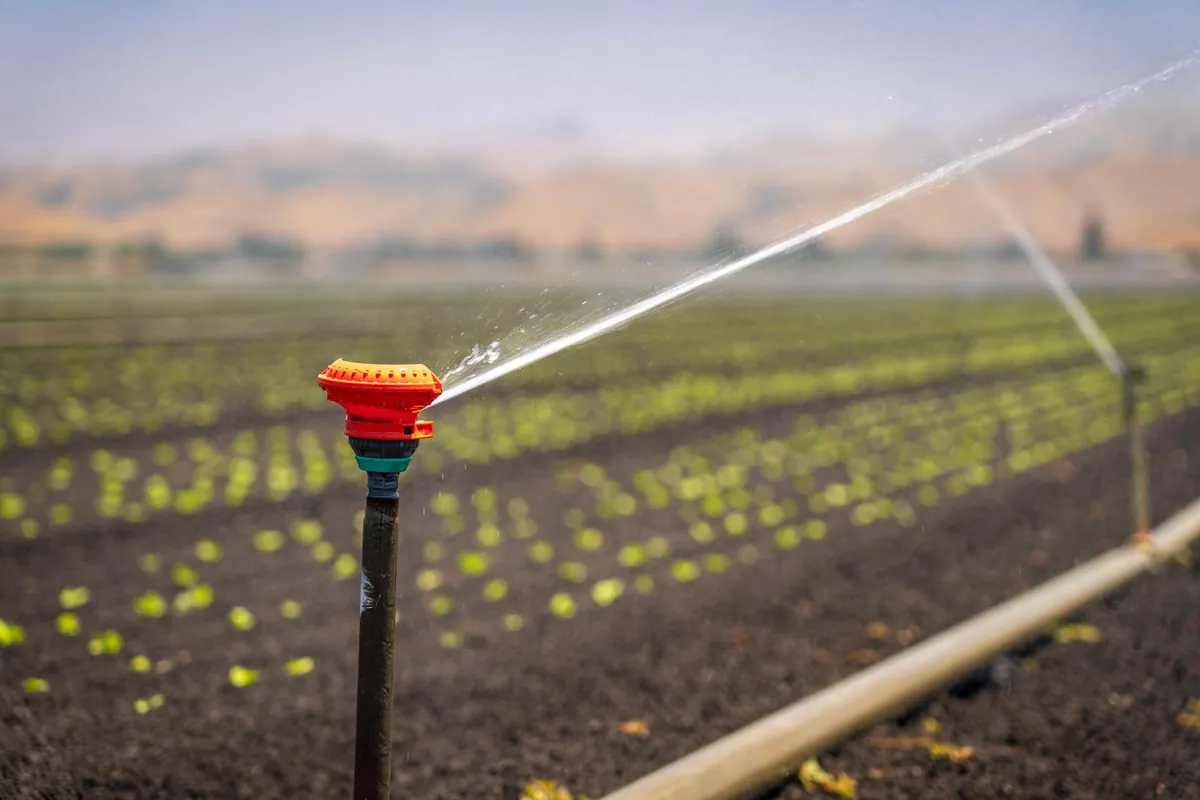
Agriculture: Crop-Specific Introduction and Cultivation Guides
N-100 is most effective when the dilution ratio and application timing are adjusted according to the crop type and soil conditions. When introducing this product, we recommend first conducting a trial on a select number of fields. Even after you begin using it, we are available to provide consultation based on the crop’s growth status.
| Land Size | Total volume of the diluted solution (when diluted 100-fold) | Required amount of N-100 undiluted solution |
|---|---|---|
| 1 tsubo (about 2 tatami mats) | 3L | 30 ml |
| 30 tsubo (about 1 ridge) | 100 L | 1L |
| 1 tan (10 a / 300 tsubo) | 1,000 L | 10 L |
| 1 cho (1 ha / 10 tan) | 10,000 L | 100 L |
Sweet potatoes, potatoes, taro
You can expect disease prevention, measures to address crop rotation problems, and cost-effectiveness.
Mix a 100-fold dilution of N-100 into the soil. For mulch cultivation, mix it in before laying the mulch.
For sweet potatoes and taro, soak the seedlings in a 50-fold dilution overnight (or for a few hours first thing in the morning) before transplanting, and then spray them with a 100-fold dilution after transplanting. For potatoes, dip sprouted seed potatoes in a 50-fold dilution or soak them for a few hours before planting. Avoid spraying when soil moisture is high, such as immediately after rain.
As the plant grows, spray a 100-fold dilution so that it covers the base of the plant and the leaves.
Rice (rice cultivation)
We support organic and reduced-pesticide farming practices that do not rely on chemical fertilizers or herbicides. The recommended annual usage is approximately 10 liters per tan. Please adjust the timing based on your region and crop variety.
| manufacturing process | dilution ratio | Amount of diluted solution | N-100 undiluted solution |
|---|---|---|---|
| ① Soil-preparation application (late February to early March) | 100 times | 300 L | 3L |
| ② Pre-soaking the seeds (early March) | 200 times | ― | About 0.12 L |
| ③ Seedling Spraying (Late March–April; 4 times total) | 100 times | Total: 120 L | About 1.2 L |
| ④–⑥ Honda Spraying (late May, mid-June, early July) | 100 times | 200 L each | 2 liters each |
| Total (approximate annual amount) | ― | ― | About 10 L |
Grapes (fruit trees in general)
By strengthening the root system and enhancing nutrient absorption, this product helps grow vibrant, lustrous fruit and strong trees.
Spray the seedlings with a 200-fold dilution once a week before transplanting. Also, apply a generous amount of the 200-fold dilution at the time of transplanting. For the first 1 to 2 years until the plants begin to bear fruit, spray a 100-fold dilution 1 to 2 times a month from spring through fall.
Spray a 100-fold dilution over the entire area once every 10 days to two weeks (you can use a speed sprayer or similar device).
For about two months after harvest, apply the solution once every 10 days to two weeks to ensure the trees remain vigorous the following year. The recommended application rate for mature trees is 5 liters of N-100 undiluted solution per 20 a (2 tan) and 25 liters per 100 a.
lotus root (lotus root)
We aim to reduce nematode damage by promoting soil aggregation and produce lotus roots with a white flesh. A key feature of this method is “drench fertilization,” in which the “undiluted solution” is applied directly around the perimeter of flooded lotus fields.
| time | N-100 undiluted amount | usage rules |
|---|---|---|
| Base Fertilizer (Around March, Before Planting) | 5 L | undiluted spray |
| Top-dressing (June–early July) | 5 L | undiluted spray |
| Total (per tan) | 10 L | ― |
Sprinkling more near the water supply inlet will make it easier to spread throughout the area by the water flow.
Leafy vegetables (green onions, spinach, komatsuna, lettuce, etc.)
This treatment is designed to help seedlings establish themselves upon planting and to enhance leaf thickness, color, and luster. During field preparation, apply a 100-fold dilution to the entire soil surface and work it in; then, soak the seedlings in a 50-fold dilution overnight (or for several hours) before planting. During the growing season, apply a 100-fold dilution via foliar spray (or by watering at the base of the plant) once every 1 to 2 weeks.
| Usage scenarios | dilution ratio | How to make (example) |
|---|---|---|
| Soaking Seedlings (Before Planting) | 50 times | 200 ml of concentrate per 10 L of water |
| Soil Preparation and Top-Dressing (Spreading and Irrigation) | 100 times | For 100 L of water, use 1 L of concentrate; for 10 L of water, use 100 mL of concentrate |
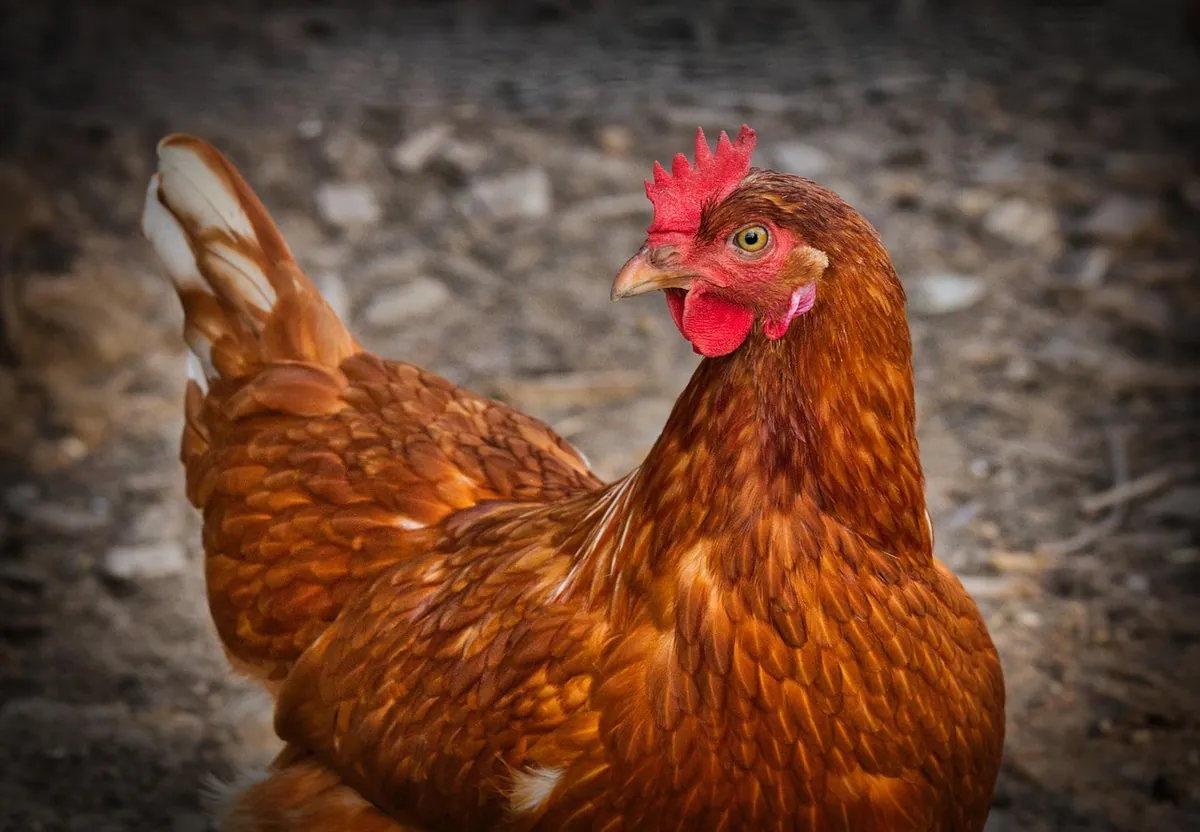
Composting, Chicken Manure Odor Control, and Monetization
Turn the negative costs of waste disposal into positive revenue from compost sales. N-100 tackles the challenges of odor and costs in livestock farming.
N-100 is a soil activator that works on both anaerobic and aerobic microorganisms. When sprayed on raw livestock manure (cattle, pigs, chickens, and horses), it promotes fermentation, reducing odors and shortening the time required to produce fully matured compost.
By activating beneficial microorganisms, we promote the breakdown of odor-causing substances during the fermentation process and address odor issues through the production of fully matured compost.
We aim to shorten the natural fermentation period—which typically takes 6 to 12 months—to about 3 to 4 months, with the goal of achieving efficient composting even in limited spaces.
We aim to turn disposal costs (a negative) into revenue from the sale of fully matured compost (a positive) by transforming chicken manure into a “marketable product.”
Production Flow
Spray N-100, diluted 50 to 100 times, evenly over the raw livestock manure (the moisture content should be approximately 60%).
About once a month, turn the compost while sprinkling the diluted solution over it. The heat generated during fermentation (60–70°C) also kills pathogens and weed seeds.
Depending on the season, it takes about 3 to 4 months to turn into loose, fully matured compost. Once fully matured, the volume will be reduced to about half or less.
| Livestock manure | Required dilution volume | N-100 Undiluted Solution (50x Dilution) | N-100 Undiluted Solution (100-fold dilution) |
|---|---|---|---|
| 100 kg | 50 L | 1L | 500 ml |
| 1 metric ton | 500 L | 10 L | 5 L |
| 2 metric tons | 1,000 L | 20 L | 10 L |
Recommended application rates for finished compost: Approximately 5 to 6 kg per tsubo, and approximately 1.5 to 2 metric tons per tan (300 tsubo).
Tighter environmental regulations
Under the Malodor Prevention Act, local governments have established odor control standards. Livestock facilities are subject to regulations regarding specific malodorous substances (such as ammonia and hydrogen sulfide), and if they exceed these standards, they may be subject to improvement recommendations or orders.
Download Materials
The effects and figures listed here are for reference only, based on documentation, tests, and case studies, and do not constitute a guarantee of results. Actual results may vary depending on usage conditions and the environment. Please adjust the dilution ratio, application rate, and timing of application based on soil conditions, climate, crop variety, and the condition of the livestock manure.
Contact Us
To request detailed information about the N-100 or to discuss a quote, please click here.