



Consulting
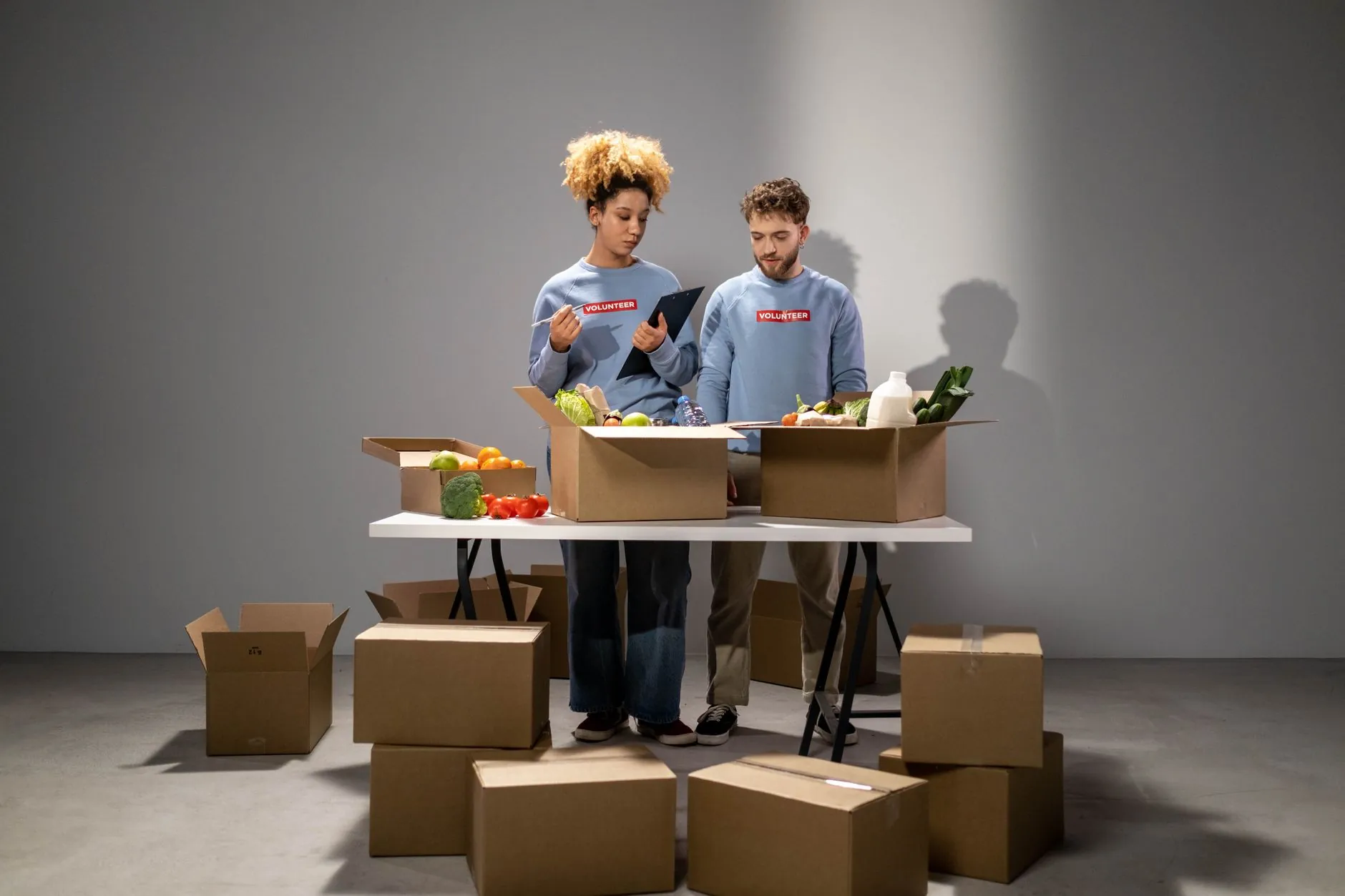
Through "Community Pantries," which make use of unused space in stores, we deliver food that would otherwise be discarded to households in need of food assistance.
Do you face any of these challenges?
- The cost of food waste is rising year by year.
- Even food that could be donated is being discarded because there is no system in place to facilitate donations.
- We want to advance our SDGs and sustainability initiatives without increasing the workload on the front lines.
- I'm hesitant to donate food because I'm concerned about legal liability and health and safety risks.
What Is Community Pantry?
Domestic food waste totaled approximately 4.64 million metric tons in fiscal year Reiwa 5 (estimates by the Ministry of the Environment and the Ministry of Agriculture, Forestry and Fisheries). Pressure on the retail sector to reduce waste is increasing year by year, and rising disposal costs pose a challenge for companies.
We propose a system that transforms underutilized spaces—such as areas under staircases and backyards—into “food donation hubs (community pantries)” equipped for contactless distribution and refrigerated storage, utilizing the framework of our partner general incorporated association.
Installation Illustration
| Installation Location | Dead space inside shopping centers or in the corners of stores |
|---|---|
| System Configuration | Partitions, used store shelves, refrigerators, and freezers (to reduce costs through reuse), Wi-Fi, and security cameras |
| system | Access Control Using Smart Locks (Automatic Locks with Numeric Keypads) and Smartphone App Unlocking |
| Operations | Registration-based system for users. Serves as a hub for giving back to the local community. |
Operation
The heads of each department (meat, fresh fish, produce, prepared foods, etc.) will decide which products to donate or discard and when to do so. We will not set mandatory donation quotas imposed by headquarters; instead, we will treat this as a measure to improve on-site operational workflows.
| Current Status (Disposal) | Proposal (Donation) | |
|---|---|---|
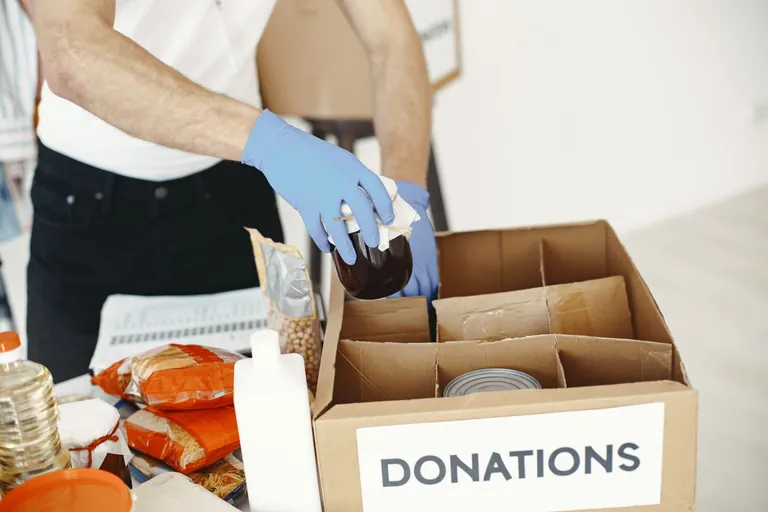
| Flow | Store shelves → Transport to the back room → Disposal (trash can) → Incurs incineration costs | Store shelves → Transport to the pantry → Display on shelves or in the refrigerator → Customers pick up their items (cost reduction) |
| On-site Work | Transportation for Disposal | The only thing that changes is where the items are taken—from the “trash bin” to the “pantry.” Just put the expired products on the shelves as is. |
Benefits of Implementation
We expect to improve profit margins by reducing incineration outsourcing costs. We will provide detailed cost estimates upon request.
Simply replacing the existing disposal process with “moving items to the pantry” does not create any new work hours.
Legal liability and responsibility for hygiene management will be transferred to our partner general incorporated association after service delivery, thereby structurally eliminating risks for the store. The point of contact for handling complaints and customer inquiries will also be centralized with that association.
You can implement this solution with minimal investment by utilizing dead space—such as the area under the stairs—and used furniture (shelves, refrigerators).
Frequently Asked Questions (Q&A)
There isn't any extra space in the store.
It can be installed in “dead space” that isn’t suitable for sales, such as under the stairs, in the corner of a hallway, or at the entrance to the back yard. It requires only a power source and Wi-Fi to operate.
I'm worried about theft and unauthorized entry.
The facility is equipped with security cameras and an automatic lock system with license plate recognition. The system links user IDs to entry and exit records, enabling immediate account suspension and reporting in the event of unauthorized access.
Won't selling low-quality products damage the store's reputation?
We will limit the items we provide to those that are within their "best-by" or "use-by" dates. We will strictly enforce the rule that items showing signs of spoilage or emitting an unusual odor are ineligible, and we will reach an agreement with users to classify such items as "seconds."
Food assistance will be limited to households receiving child-rearing allowances and school tuition assistance. We will first conduct a pilot program at one store to evaluate operations and cost-saving benefits, and then consider expanding the program.
This page provides a general overview that does not specify a particular client. Estimates for installation costs, operating costs, and potential savings vary depending on factors such as store size, location, and waste volume; therefore, we will provide these on a case-by-case basis after you contact us.
Related Pages
Contact Us
If you have any questions about implementation or would like to request materials, please feel free to contact us using the inquiry form.