



Additives
A hydrating battery electrolyte for lead-acid batteries made with Asai Organic Germanium. Helps extend battery life and reduce electricity costs.
Do you face any of these challenges?
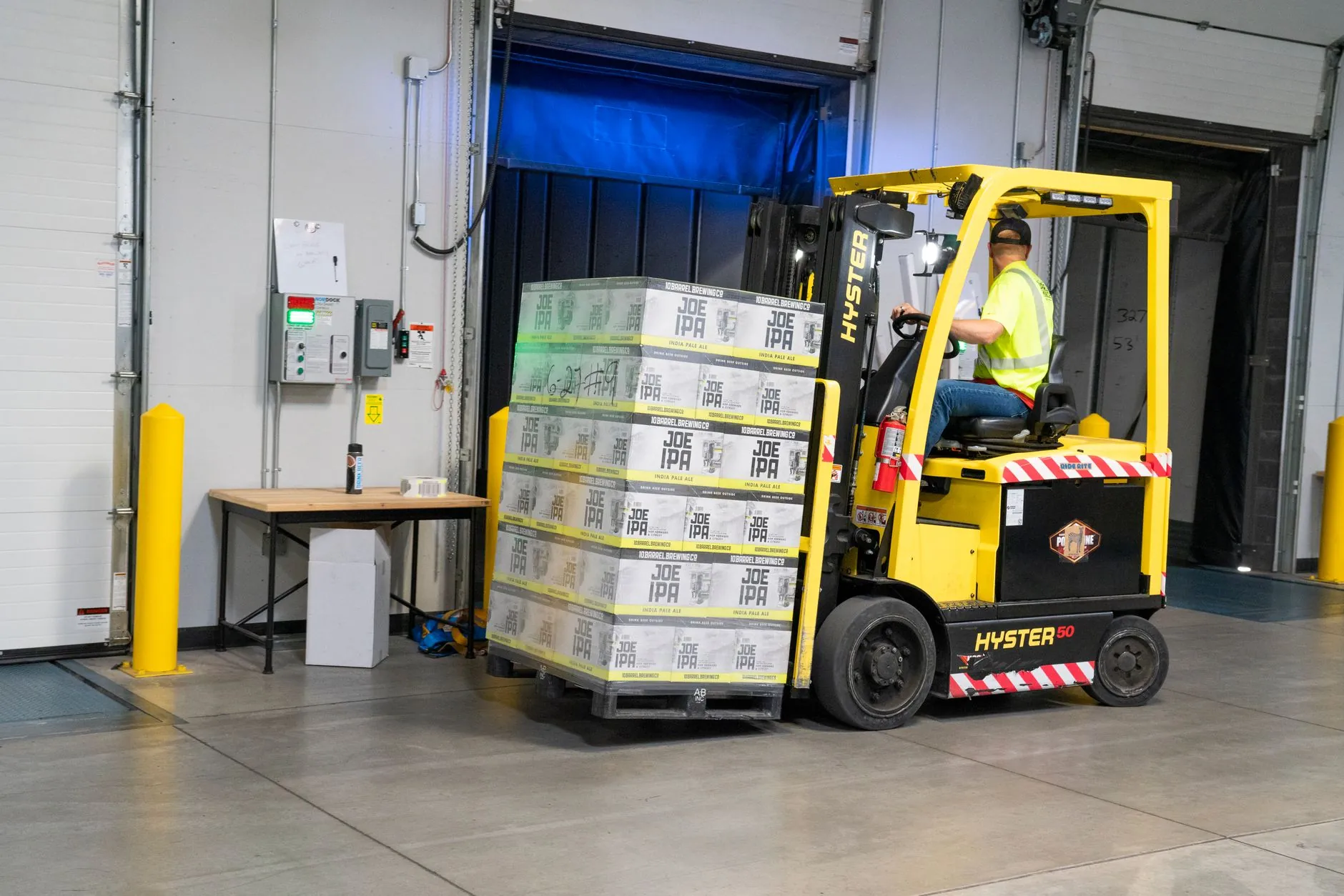
- The battery accounts for about 40 percent of the vehicle's price, and its lifespan determines the cost of replacement.
- Due to battery degradation, I have no choice but to consider replacing the entire vehicle.
- I want to reduce the cost of electricity for charging and the hassle of topping up the water.
- We want to reduce the volume of discarded batteries (lead and industrial waste).
What Is BELEBEN-S Battery Additive?
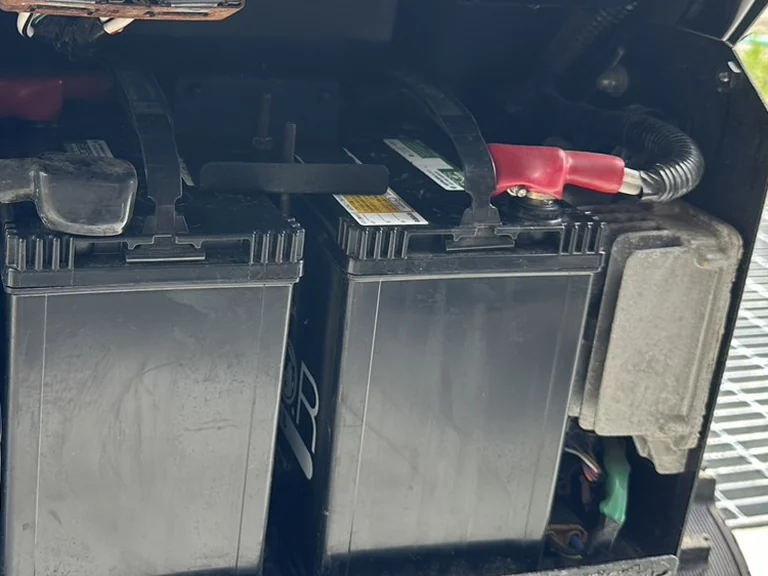
BELEBEN-S Battery Additive is a replenishment solution for wet-cell lead-acid batteries that contains organic germanium from acai. It is used as a replacement for distilled water (purified water).
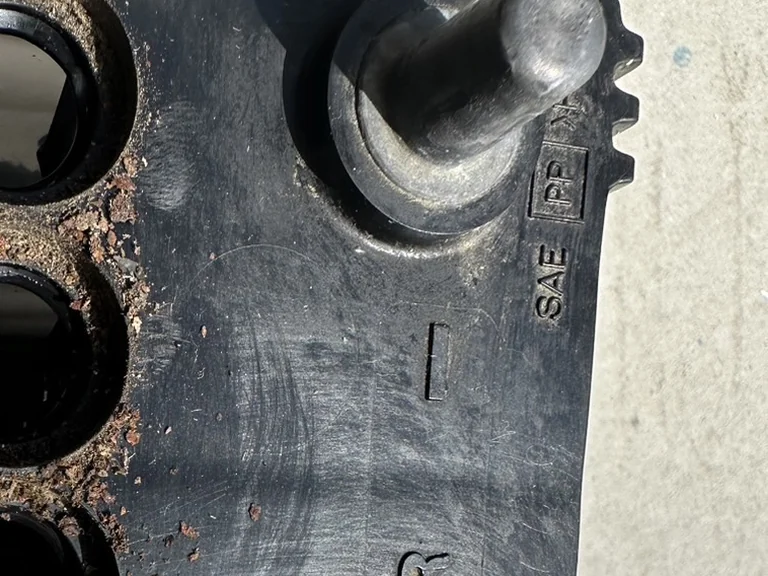
The manufacturer's documentation lists the following five factors that contribute to battery degradation and recommends minimizing them.
- Sulfation (deposition of lead sulfate crystals)
- Adverse Effects of Hydrogen
- Adverse Effects Caused by Changes in Sulfuric Acid Concentration
- Problems Caused by Limescale (Accumulation of Deposits)
- Collapse of the Pole Plate
What Is Acai Organic Germanium?
This is a water-soluble germanium compound developed in 1967 by the late Dr. Kazuhiko Asai, who held a Ph.D. in Engineering from the University of Tokyo. It is a raw material used not only in industrial applications but also in medical and food applications.
How to Use
Remove the cap from the battery's fill port, where you would normally add distilled water.
Instead of distilled water, top off the tank with BELEBEN-S solution up to near the maximum level.
Close the lid and use and charge the device as usual.
Cost Reduction Simulation
Enter the number of vehicles and the number of charging sessions, and an estimate of the annual savings will be displayed.
*This is a sample calculation based on the case study data (a certain company: one 280Ah, 48V forklift; operating approximately 1 hour per day; electricity rate of 13.2 yen/kWh) as the initial values. The reduction in the number of charging cycles, the amount of water replenishment (24 L of purified water per year → approximately 5.3 L of additive solution per year), and the battery replacement cycle (4–5 years → approximately 8 years) are specific to this case and may vary depending on the facility, model, and operating conditions. The unit price of the additive is a hypothetical value provided in this document; please contact us for actual prices and quotes. Since deferring battery replacement costs does not guarantee effectiveness, these costs are not included in the total.
Expected Effects
We are working to reduce the five factors that lead to deterioration, with the goal of extending the product's lifespan before disposal.
This will lead to a reduction in the frequency and amount of hydration.
It helps reduce power consumption during charging by, for example, shortening the time it takes to reach a full charge.
By reducing total battery consumption, we can cut down on lead usage and industrial waste.
Implementation Results and Data
| Case Studies | Contents | Terms and Conditions / Important Notes |
|---|---|---|
| Test Using Six Forklifts (K Transport) | Batteries that had reached the end of their service life were able to last an additional 2 years and 5 months to 3 years and 5 months. Whereas they used to be replaced after 4 to 5 years, they were able to be used for about 8 years. | Examples from specific companies. Results may vary depending on usage and battery condition. |
| Comparison of Charge Cycles (A Certain Company) | With one 280Ah (48V) forklift, the number of monthly charges has dropped from 7 to 4. Based on an estimated electricity rate of 13.2 yen per kWh, this results in an annual savings of approximately 60,000 yen. | Estimates are based on a single unit operating for about one hour per day. Costs may vary depending on electricity rates and operating hours. |
| Snowplow | After replacing the distilled water in two batteries that had stopped charging with a replacement solution, the engine started on the first try, and charging was restored. | This is a specific case. It does not apply to all batteries. |
The effects and figures listed are for reference only, based on documentation, tests, and case studies, and do not constitute a guarantee of performance. Actual results may vary depending on usage conditions and the environment. This product is intended for use with flooded (liquid-type) lead-acid batteries. Please contact us for details regarding compatibility and usage instructions.
Related Pages
Contact Us
Click here to request detailed information or a quote regarding BELEBEN-S battery additive.