



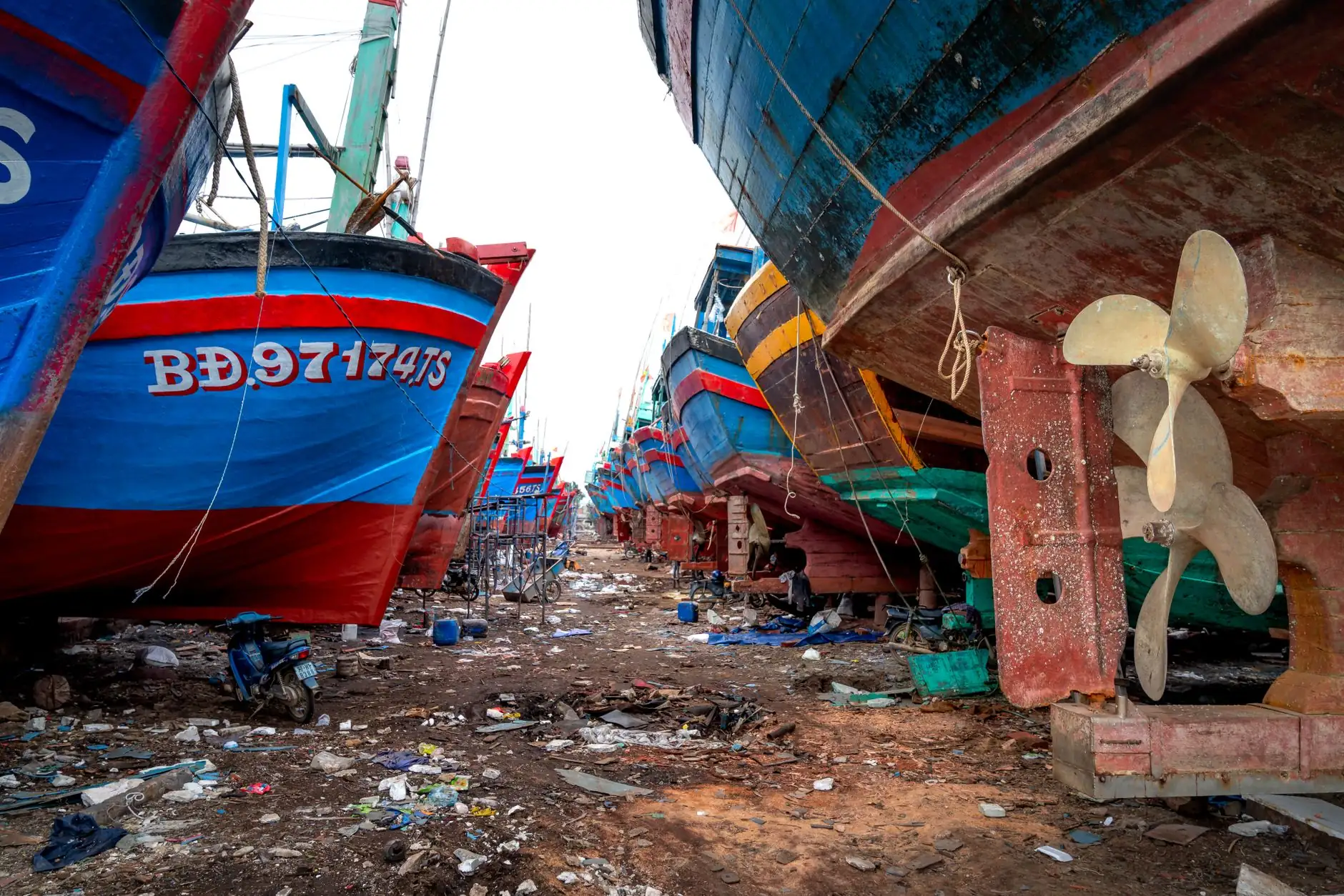
Additives
A powdered raw material containing 11 parts by weight of TP3T added to bottom paint. This paint additive is designed for use in applications aimed at preventing biofouling on ship bottoms.
Do you face any of these challenges?
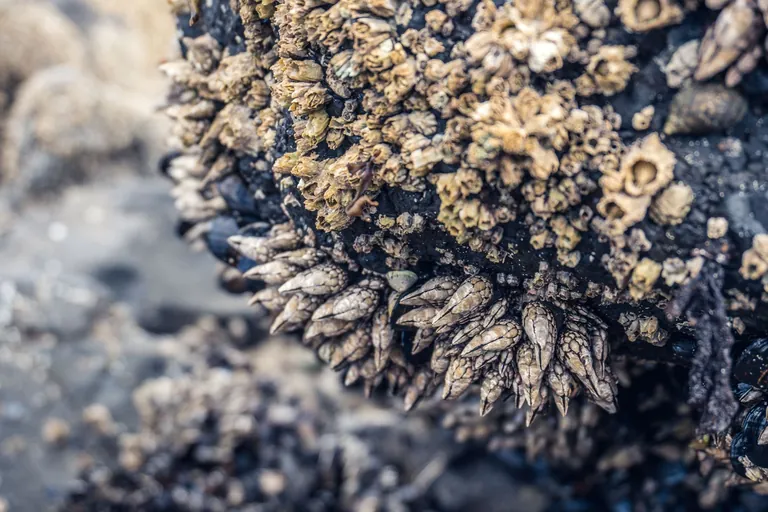
- I'm having trouble with barnacles and seaweed attaching to the bottom of my boat.
- We want to reevaluate the effort and cost involved in removing, cleaning, and repainting.
- I want to add new features to the bottom paint I'm currently using.
What Is ShipProtect (Raw Material for Antifouling Paint)?
Ship Protect is a powdered additive used in antifouling paint. Simply add 1% by weight of the paint and stir to incorporate it into commercially available antifouling paint.
| (data) item | Contents |
|---|---|
| Amount to Add | Weight ratio of bottom paint: 1% (10 g of Ship Protect per 1 kg of paint) |
| Compatible Paints | Seawater zones: Hydrolyzable coatings / Freshwater waterline zones: Self-degrading (self-polishing) coatings |
| Stirring | Stir thoroughly for a sufficient amount of time (about 5 to 10 minutes) |
| Painting Process | First, apply a primer using paint only (6.5–7.0 m² per 1 kg). After it dries, apply a second coat using paint mixed with Ship Protect (3.5 m² per 1 kg). |
| Dilution solvent | Hand-applied/trowel: 5% / Machine (compressor): 10% |
Expected Cost Savings
Manufacturer materials (catalogs and proposals) cite the following cost-saving benefits resulting from a reduction in fouling on the ship's hull:
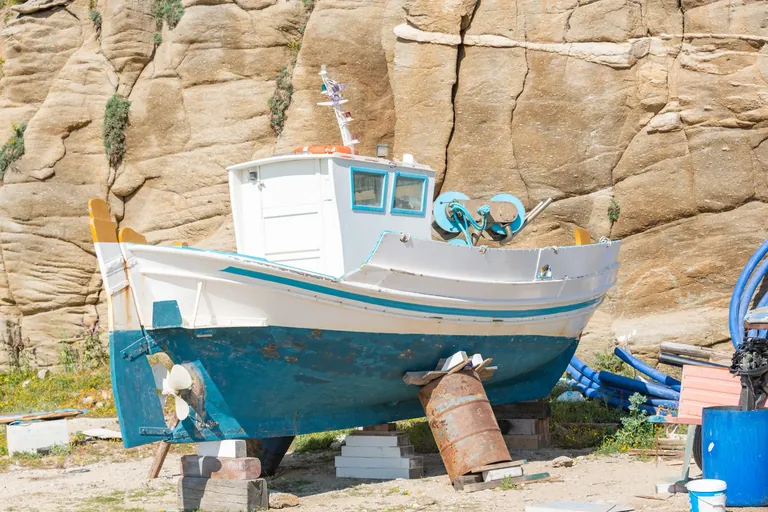
In the case of fishing vessels, while they are typically hauled out of the water twice a year to receive two coats of paint, the report states that “it is acceptable to go one to one and a half years without repainting.” Reducing the frequency of painting and hauling out leads to lower labor costs.
Between 60 and 80% of the forces acting on the hull are due to frictional resistance, and it is believed that most of this is caused by fouling from barnacles, shellfish, algae, and other organisms. Reducing fouling is said to help lower fuel and engine oil consumption.
It is said to minimize the impact of deposits on speed, fuel economy, and vibration, leading to improved power delivery, reduced vibration, and longer component life.
It is believed that reducing the number of repainting cycles helps minimize the amount of paint and waste, thereby contributing to the prevention of marine pollution.
*The above represents expected results based on the manufacturer’s data. Cost estimates are not currently available. Since results may vary depending on the type of vessel, operating waters, mooring conditions, frequency of navigation, and the type of paint used, please contact us for a cost estimate.
Features
Simply add 1% to the bottom paint at a weight ratio of 11:3 and stir to incorporate it into the paint you are using.
It can be used with both hydrolyzable coatings (for marine environments) and self-degrading (self-polishing) coatings (for freshwater environments).
As a general guideline, use 10 g of raw material per 1 kg of paint. Below are the recommended solvent amounts for manual and machine application, respectively.
Implementation Results and Data
This is an overview of the demonstration test, which included a review of the results approximately one year after installation, accompanied by photographs (test conducted on a single vessel).
| Progress | Confirmed Situation |
|---|---|
| Before Construction | After inspecting the condition of the stern and hull, add Ship Protect to a commercially available hydrolyzable paint and apply two coats. |
| 8 months later (at the time of listing) | Water stains are visible on the hull, but there are no seaweed or barnacles. The bow is very clean. The waterline area has turned black due to the oxidation of copper ions. Since the engine area is unpainted, seaweed has attached to it. |
| One year later (before cleaning) | There was a slight amount of seaweed attached to the waterline, and barnacles were evenly distributed around the livewell valve. There were no barnacles attached to the hull as a whole. Barnacles and mussels were attached to the engine mount. |
| One year later (after cleaning) | On the areas where water stains had been removed by high-pressure washing, a glossy coating remained. |
Materials used: Ship Protect 40 g + 4,000 g of commercially available hydrolyzed hull paint. Add to 4 kg of paint and mix with a mixer for at least 5 minutes; apply one coat with a roller or brush, let it sit for 2 hours, then apply a second coat, and allow to dry for at least 24 hours.
The demonstration test is1 vessel · Heisei 26–27 (2014–2015)This is an example. The extent of fouling varies depending on factors such as the sea area, water temperature, mooring conditions, navigation frequency, and type of paint; therefore, we do not guarantee that fouling will not occur or that the antifouling effect will be maintained. When using bottom paint, please follow relevant laws and regulations as well as the paint manufacturer’s instructions.
Related Pages
Contact Us
For detailed information or to request a quote regarding ShipProtect (raw material for hull coatings), please click here.